


How do we ensure quality in rotational moulded products?
Quality matters in rotational moulded products. I strive to meet customer expectations and adhere to industry standards. High-quality products not only strengthen my brand's reputation but also minimize costs linked to defects. This commitment to quality drives my success and customer satisfaction.
Key Takeaways
- Select the right materials for rotational moulding. Focus on mechanical properties, chemical resistance, and cost to ensure product quality.
- Implement rigorous testing methods. Conduct visual inspections, dimensional checks, and mechanical tests to identify defects early and maintain high standards.
- Optimize process control. Pay attention to mould design, temperature management, and cycle time to enhance product quality and efficiency.
Material Quality in Rotational Moulded Products

Material Selection
Selecting the right materials is vital for producing high-quality rotational moulded products. I consider several factors when choosing materials, including mechanical properties, chemical resistance, and cost. Here are some key criteria I focus on:
- Mechanical Properties: I look for materials that provide good strength, high impact resistance, and flexibility.
- Chemical Resistance: The materials must endure exposure to various chemicals without degrading.
- Thermal Stability: I ensure that the materials can withstand heating and cooling cycles without losing their integrity.
- Cost: I always consider the cost of materials, as it affects both product quality and production expenses.
- Processing Ease: The materials should be easy to process, which helps streamline production.
To illustrate the most commonly used materials in rotational moulded products, I have created the following table:
| Type of Polyethylene | Characteristics | Applications |
|---|---|---|
| L.D.P.E. | Flexible, tough, excellent chemical resistance, low strength. | General applications requiring flexibility. |
| L.L.D.P.E. | Better mechanical properties, higher stiffness, excellent impact strength. | Applications needing durability and strength. |
| H.D.P.E. | Better stiffness, prone to warping, lower impact strength. | Containers, industrial applications. |
In addition to polyethylene, I also consider other materials like polyamide and polypropylene. Each material has unique performance characteristics that suit different applications. For example, polyamide 6 offers excellent mechanical strength, while polypropylene provides high tensile strength and resistance to cracking.
Material Testing
Once I select the materials, I conduct thorough testing to ensure their quality. Material impurities can lead to oxidation and degradation, negatively affecting the durability and safety of rotational moulded products. Therefore, I perform several standardized tests, including:
| Test Type | Description |
|---|---|
| Visual Inspection | Regularly inspect products for visible defects and inconsistencies. |
| Dimensional Inspection | Use tools to measure dimensions and ensure they meet specifications. |
| Non-Destructive Testing | Assess internal properties without damaging the product. |
| Mechanical Testing | Evaluates the strength and durability of products. |
| Tensile Strength | Measures how much force a product can handle before stretching or breaking. |
| Impact Resistance | Evaluates the product's ability to withstand sudden forces. |
These tests help me understand how the materials will perform over time. For instance, the creep behavior of polymers can significantly impact the longevity of rotational moulded products. I find that accelerated testing methods, such as increasing temperature, allow me to efficiently assess long-term performance without extensive time and resources.
By focusing on material selection and rigorous testing, I ensure that my rotational moulded products meet high standards of quality and durability.
Process Control for Rotational Moulded Products
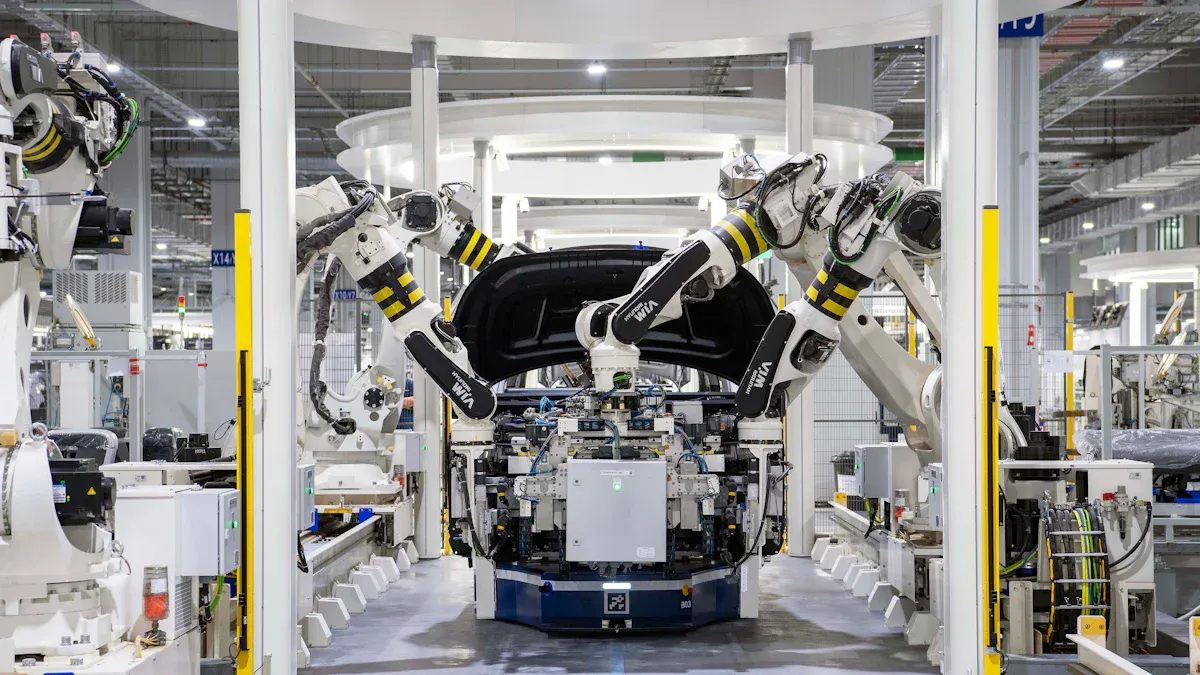
Effective process control is essential for producing high-quality rotational moulded products. I focus on three main areas: mould design, temperature management, and cycle time optimization.
Mould Design
I pay close attention to mould design because it significantly impacts product quality. Key design features include:
- Wall Thickness: Uniform wall thickness ensures structural integrity.
- Draft Angles: These angles help in the easy removal of parts from the mould.
- Ribs and Bosses: They add strength and support to the final product.
- Venting: Proper venting prevents air pockets, ensuring a smooth finish.
Incorporating these features helps me avoid common defects like pinholes and voids, which can compromise the product's durability.
Temperature Management
Temperature management is crucialin the Rotational Moulding Process. I maintainprecise temperature control to ensure proper melting of the resin. This practice helps avoid defects like bubbles and weak spots. The optimal temperature range for producing high-quality products is between 260°C and 370°C. If I fail to manage temperature properly, I risk warping and reduced mechanical properties, which negatively affect the product's strength.
Cycle Time Optimization
I strive to optimize cycle time to improve efficiency. Here are some strategies I implement:
- Upgrading mould design to enhance heat conduction.
- Optimizing cooling processes to reduce cycle time while maintaining product integrity.
- Training staff to improve operational efficiency.
By focusing on these areas, I can increase production rates and lower costs. Proper cooling is essential, as it constitutes 60-80% of the total cycle time. I find that longer cooling times can enhance solidification, while shorter times may lead to defects.
By controlling these processes, I ensure that my rotational moulded products meet high standards of quality and consistency.
Quality Assurance in Rotational Moulded Products
Quality assurance plays a vital role in ensuring that my rotational moulded products meet the highest standards. I implement various inspection techniques and adhere to compliance standards to maintain product integrity.
Inspection Techniques
I utilize several inspection techniques to assess the quality of my rotational moulded products. These techniques help me identify defects early in the production process. Here are some methods I regularly apply:
-
Visual Inspection: I conduct visual checks to spot any obvious defects, such as surface imperfections or color inconsistencies. This step is crucial for ensuring that the final product meets aesthetic standards.
-
Dimensional Inspection: I measure the dimensions of my products using calipers and gauges. This ensures that they conform to the specified tolerances. Accurate dimensions are essential for proper fit and function.
-
Non-Destructive Testing (NDT): I employ NDT methods to evaluate the internal structure of my products without causing damage. Techniques like ultrasonic testing help me detect hidden flaws that could affect performance.
-
Mechanical Testing: I perform mechanical tests to assess the strength and durability of my products. This includes tensile strength tests, which measure how much force my products can withstand before breaking.
-
Impact Testing: I evaluate how well my products can resist sudden impacts. This testing is crucial for applications where durability is paramount.
By implementing these inspection techniques, I can ensure that my rotational moulded products are reliable and safe for use.
Compliance Standards
Adhering to compliance standards is another critical aspect of quality assurance. I follow industry regulations and guidelines to ensure that my products meet safety and performance requirements. Some key standards I focus on include:
-
ISO Standards: I comply with ISO 9001, which outlines the requirements for a quality management system. This standard helps me maintain consistent quality in my production processes.
-
ASTM Standards: I follow ASTM International standards for materials and testing methods. These standards provide guidelines for evaluating the properties of my rotational moulded products.
-
Environmental Regulations: I ensure that my manufacturing processes comply with environmental regulations. This commitment not only protects the environment but also enhances my brand's reputation.
By adhering to these compliance standards, I can assure my customers that my rotational moulded products are safe, reliable, and of high quality.
Continuous Improvement in Rotational Moulded Products
Employee Training
I believe that employee training is essential for maintaining high quality in rotational moulded products. Effective training programs cover crucial topics such as machine setup, molding processes, material selection, quality control, and troubleshooting techniques. These programs empower me and my team with the knowledge and hands-on experience needed to operate molding machines effectively.
When employees receive proper training, they produce better quality products. Inadequate training can lead to quality control issues, resulting in increased defects. Poorly trained employees often create substandard goods, which can harm customer satisfaction and my brand's reputation. Comprehensive training helps standardize practices, reducing waste in production. I find that when employees take pride in their work, they are less likely to produce defects, which ultimately enhances overall product quality.
Technology Integration
Integrating new technologies into my production process has significantly improved efficiency and product consistency. For instance, advanced process control with electrically heated molds allows for greater material versatility. I also use tools like dropbox and vacuum systems directly on molds to enhance production efficiency.
Robots play a vital role in my operations. They reduce labor costs and increase efficiency by performing repetitive tasks with precision. Modern robots can be quickly reprogrammed to adapt to different product designs, ensuring flexibility in production. Additionally, machine analytics and sensors help me identify production issues early, maintaining the quality of my rotational moulded products. Automation technologies improve data acquisition and speed, contributing to overall efficiency.
By focusing on employee training and technology integration, I can continuously improve the quality of my rotational moulded products.
Ensuring quality in rotational moulded products involves careful material selection, stringent process control, effective quality assurance, and a commitment to continuous improvement. I recognize that choosing the right material is crucial, as it affects processing parameters and the final product's properties. Implementing quality control ensures that all finished products adhere to the required specifications.
By adopting these practices, I can achieve high-quality outcomes and maintain competitiveness in the market.
FAQ
What materials do you recommend for rotational moulding?
I recommend polyethylene types like L.D.P.E., L.L.D.P.E., and H.D.P.E. Each offers unique properties suited for different applications.
How do you test the quality of your products?
I conduct visual inspections, dimensional checks, and mechanical tests to ensure my products meet quality standards and perform reliably.
What role does employee training play in product quality?
Employee training enhances skills and knowledge, leading to better production practices and fewer defects in my rotational moulded products.